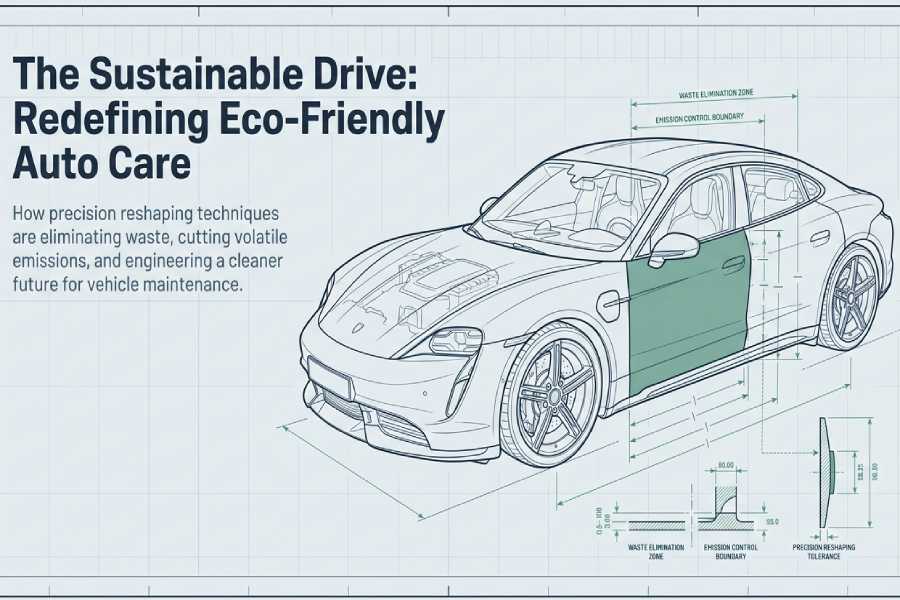
7 Ways Dent Repair Without Paint Supports Eco-Friendly Auto Care
With sustainability becoming a major focus for various sectors, the automotive industry is also embracing more environmentally friendly methods. One noteworthy approach that has emerged is paintless dent repair (PDR). This groundbreaking technique not only enhances the look of your vehicle but also minimizes its ecological footprint in significant ways.
In this article, we’ll dive into seven important reasons why paintless dent repair is an environmentally conscious option for vehicle maintenance, highlighting why it benefits both your car and the environment.
What Is Dent Repair Without Paint?
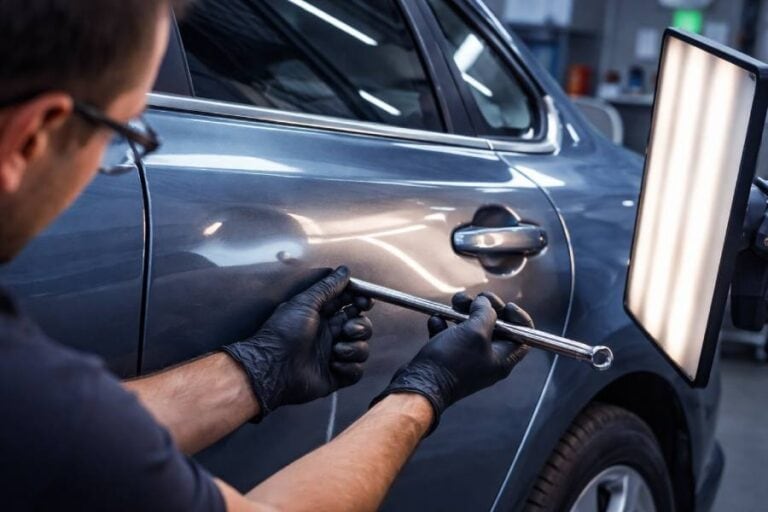
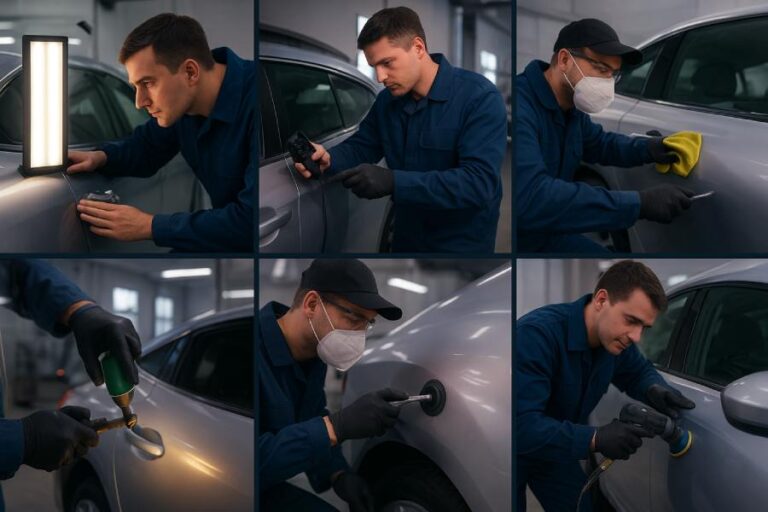
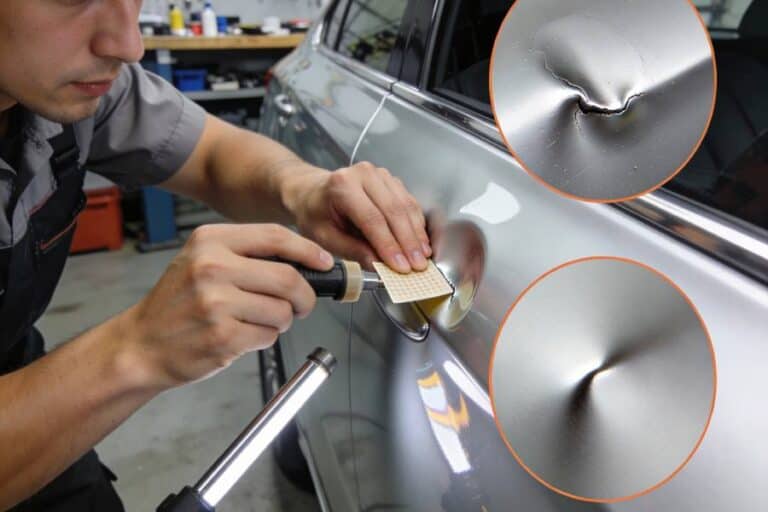
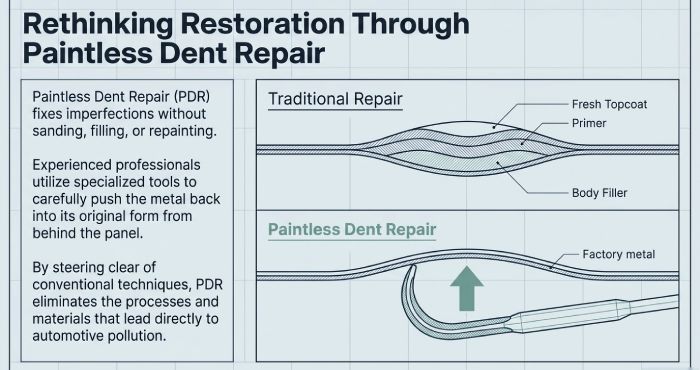
Paintless dent repair is a method employed to fix small dents and imperfections without the need for sanding, filling, or repainting the car. Experienced professionals utilize specialized tools to carefully push the metal back into its original form from behind the panel. By steering clear of conventional repair techniques, this method reduces the use of materials and processes that lead to pollution and waste.
1. Eliminates the Need for Harmful Paint Chemicals
Minimizing Harmful Emissions
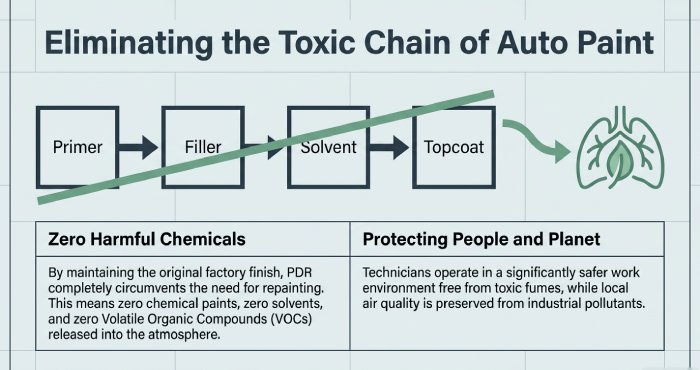
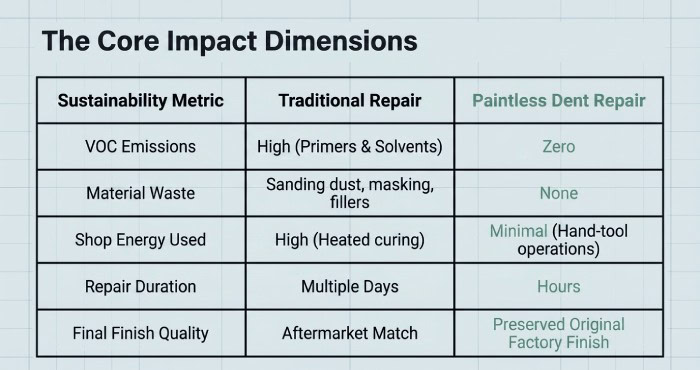
Conventional methods for repairing dents typically involve repainting, which necessitates the use of primers, fillers, and topcoats. These substances emit volatile organic compounds (VOCs) that pollute the air and pose health hazards.
In contrast, paintless dent repair circumvents this issue entirely. By maintaining the original factory finish, it eliminates the need for chemical paints and solvents, resulting in a much cleaner operation.
Healthier for Technicians and the Planet
Technicians benefit from a safer work environment, as they are not exposed to toxic fumes. Additionally, this method reduces the release of harmful substances into the air, enhancing overall air quality.
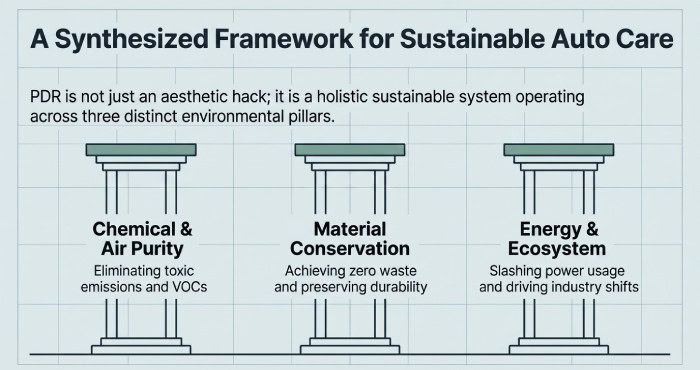
2. Minimizes Material Waste
No Residue from Sanding or Fillers
Conventional repair methods create waste, including sanding dust, body fillers, masking supplies, and excess paint, which frequently ends up in landfills or necessitates special disposal methods.
In contrast, paint-free dent repair minimizes waste by reshaping the original metal rather than introducing additional materials.
Promoting Sustainable Practices
This approach supports environmentally friendly practices by minimizing waste, thereby assisting auto repair shops in reducing their impact on the environment.
3. Reduces Energy Consumption
Reduced Resource Usage
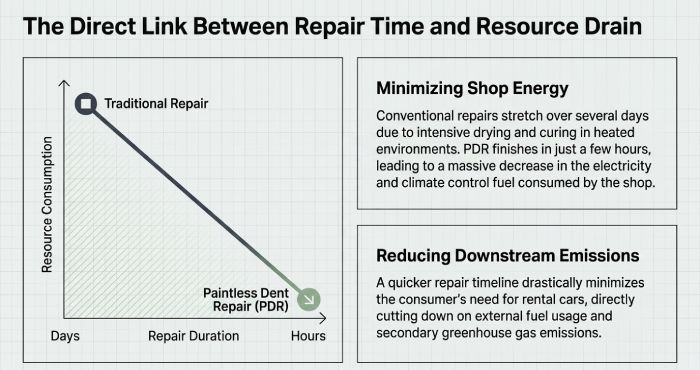
Traditional dent repair typically consists of numerous steps that consume a lot of energy, such as sanding, priming, painting, and curing, often in heated environments. These methods demand considerable electricity and fuel. In comparison, paintless dent repair (PDR) is a more energy-efficient approach, relying mainly on skilled hands and specialized tools, leading to a significant decrease in energy consumption.
Decreased Carbon Emissions
The reduction in energy use results in lower greenhouse gas emissions, positioning PDR as a more eco-friendly option.
4. Preserves the Original Factory Finish
Preserving the Original Finish
Factory paint applications are executed in specialized settings that ensure both durability and precision. When a vehicle is repainted, it seldom achieves the same standard of quality and usually incurs extra environmental impact.
Utilizing paintless dent repair helps retain the vehicle’s original surface, thereby avoiding repainting and preserving its overall condition.
Enhanced Durability
By leaving the original paint untouched, vehicles sustain their protective layer, which leads to fewer repairs in the long run and minimizes the consumption of resources.
5. Shortens Repair Time
Accelerated Repairs Lead to Reduced Resource Utilization
Conventional dent repair methods often take several days, largely due to the time required for drying and curing. Extended repair durations result in higher usage of shop resources like lighting, tools, and climate control systems.
In contrast, paintless dent repair can usually be finished in just a few hours, leading to significant savings in energy and resource use.
Benefits for Vehicle Owners
A quicker repair timeline minimizes the need for rental cars or other forms of transportation, which in turn helps cut down on fuel usage and emissions.
6. Encourages Repair Over Replacement
Prolonging the Life of Vehicles
Sustainable car maintenance focuses on fixing issues rather than opting for new parts. Techniques like paintless dent repair align with this approach by making small repairs simpler and more affordable.
By prioritizing repairs over replacements, vehicle owners help decrease the production, transport, and disposal of parts, thus lessening their environmental footprint throughout the supply chain.
Minimizing Automotive Waste
Disposing of or swapping out damaged panels leads to excess metal waste and a higher demand for new materials. Paintless dent repair addresses this issue by restoring damaged parts instead of replacing them.
7. Supports Sustainable Auto Body Practices
Environmentally Friendly Auto Repair Shops
Numerous auto body repair facilities that provide paintless dent repair focus on sustainable practices. These initiatives often involve recycling efforts, minimizing chemical usage, and adopting energy-efficient methods. Opting for paintless dent repair fosters the development of these eco-conscious businesses and supports sustainability in the automotive sector.
Adapting to Contemporary Environmental Regulations
With environmental laws tightening, repair techniques that minimize waste and emissions are gaining importance. Paintless dent repair is in harmony with these advancing regulations, positioning it as a forward-thinking choice for the future.
When Is Dent Repair Without Paint a Good Option?
PDR is an environmentally friendly option, but it works best for specific damage types, including:
- Minor to moderate dents
- Hail-related damage
- Dings from doors
- Small creases
- Surfaces with undamaged paint
For extensive damage or cases where paint has chipped, conventional repair techniques may still be necessary.
How to Maximize Eco-Friendly Auto Care
Integrate Intelligent Upkeep with Eco-Friendly Repairs
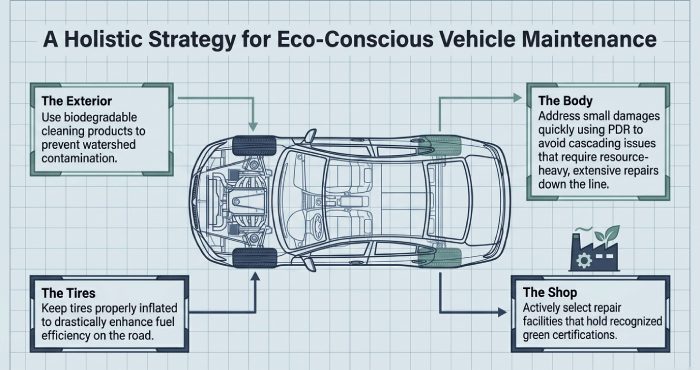
Paintless dent repair represents just one aspect of a comprehensive environmentally conscious strategy for vehicle maintenance. You can lessen your ecological footprint even more by:
- Using biodegradable cleaning products for your car
- Keeping your tires properly inflated to enhance fuel efficiency
- Addressing small damages quickly to avoid more extensive repairs down the line
- Selecting repair shops that hold green certifications
Make Educated Decisions
Being aware of your repair alternatives enables you to select techniques that are both efficient and aligned with environmental sustainability.
Conclusion
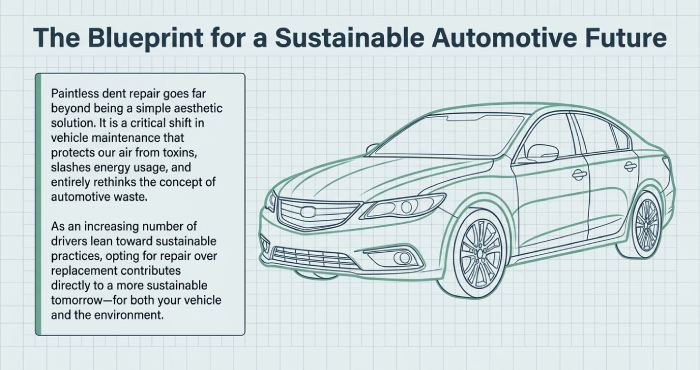
Paintless dent repair goes beyond being a simple solution; it represents a significant move towards eco-friendly vehicle maintenance. This technique minimizes the use of toxic substances, cuts down on waste, saves energy, and encourages repair rather than replacement, making it a more environmentally conscious option compared to conventional dent repairs.
As an increasing number of car owners lean towards sustainable practices, paintless dent repair emerges as a viable choice that benefits both your vehicle and the environment. Whether you’re faced with small dents or aiming for responsible car upkeep, opting for this method contributes to a more sustainable tomorrow.