6 Reasons Paintless Auto Dent Removal Is Worth The Cost
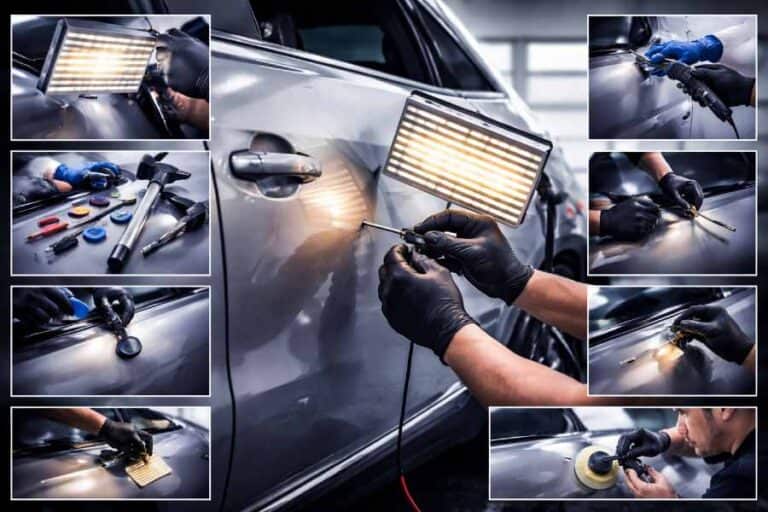
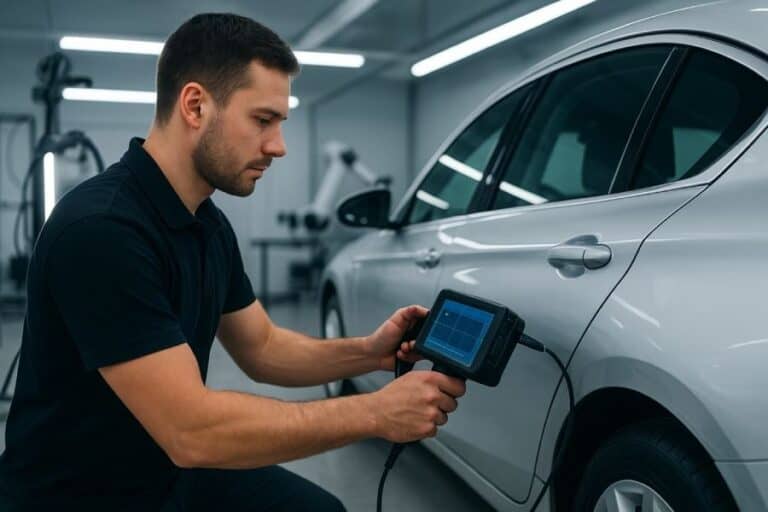
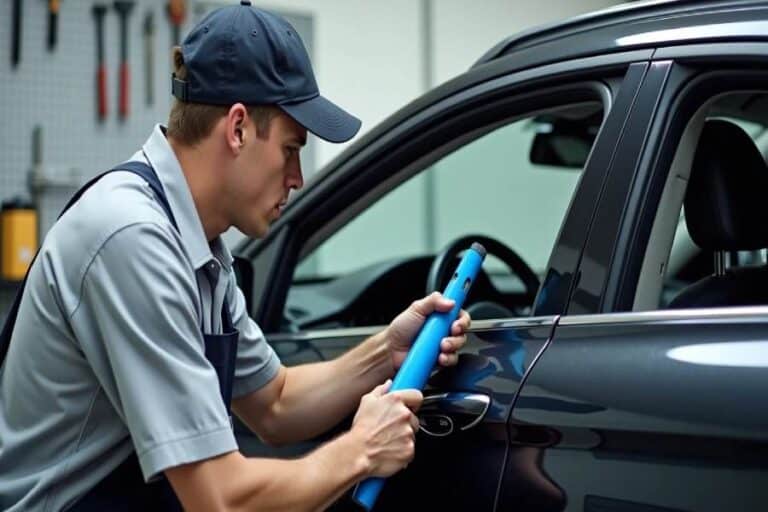
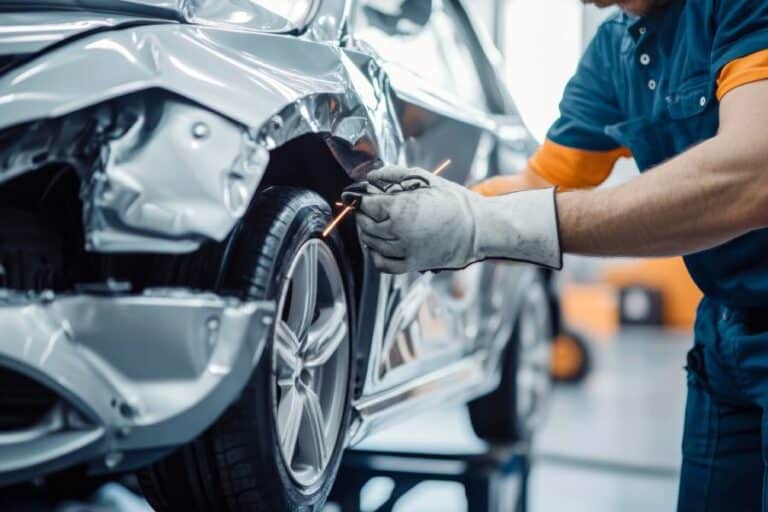
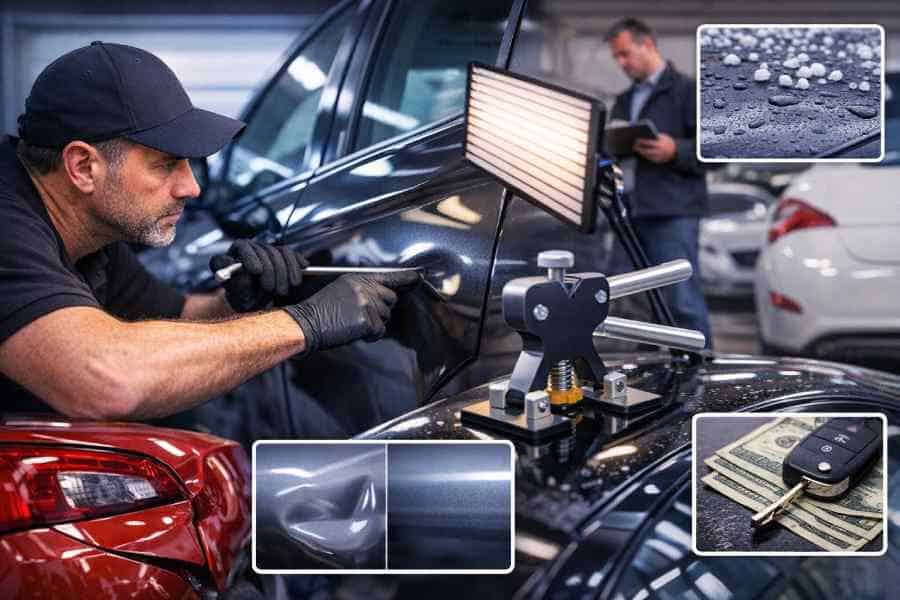
Paintless dent removal is the gold standard for restoring car dents without repainting. When performed by a skilled dent technician using modern PDR tools and methods like glue pulling and panel massage, this form of auto dent removal delivers a flawless repair that preserves value, saves time, and avoids unnecessary vehicle bodywork. Below are six expert-backed reasons PDR is worth every penny—and often costs less than you expect.
Reason #1: Lower total repair cost
Paintless dent removal minimizes labor and materials by focusing on precision metal reshaping instead of sanding, filling, priming, and repainting. For most door dent issues, hail damage, and minor dings, PDR is the most economical auto dent removal route.
- Because it’s a no paint repair approach, you’re not paying for paint codes, color-matching, or clear coats.
- There’s no filler, block sanding, or body panel blending—key steps that drive up traditional car body repair bills.
- For common dings and dents (think parking-lot taps or errant shopping carts), the repair process is streamlined and efficient.
Why PDR costs less
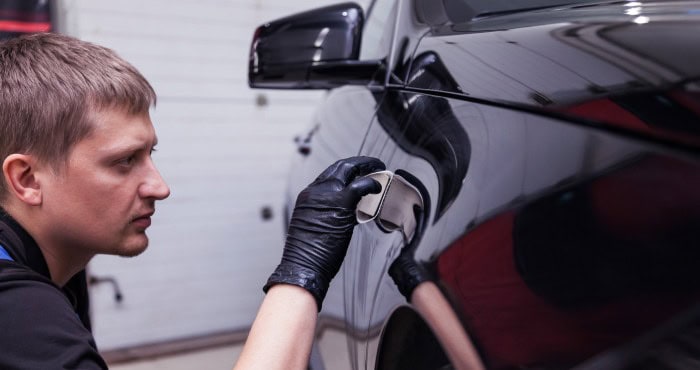
Paintless Dent Repair (PDR) reduces expenses by eliminating the need for extensive disassembly, painting supplies, and complicated refinishing processes. This method enables quicker restoration of panels, results in less material usage, and does not require fillers, primers, masking, or color-matching adjustments. As a result, PDR provides a cost-effective and consistent pricing model, particularly for minor dents and hail damage, which can often be swiftly authorized with the use of standardized hail matrices.
Reason #2: Preserves your factory finish
Your OEM paint system is engineered for longevity—from chemically bonded e-coat and corrosion protection to a durable clear-coat. Paintless dent removal maintains that factory finish without compromise, ensuring a filler free repair and a resilient car exterior.
- Avoids color mismatch and texture differences that can arise with repainting.
- Retains the integrity of the original body panel coatings, which helps resist rust over time.
- Focuses on gentle, controlled panel massage and knocking down high spots to return metal to its original contour.
By leaving the original paint intact, PDR supports long-term finish restoration excellence. A seasoned dent technician can achieve a truly flawless repair using PDR tools, glue pulling, and, where appropriate, cold glue setups for superior pull strength on larger, softer panels. This level of care is especially critical for premium finishes—imagine a BMW Mini with a tight crown above a character line; restoring that panel with paintless precision preserves both aesthetics and value.
Reason #3: Protects resale and trade-in value
Buyers and appraisers alike prefer original paint. Repainted surfaces can raise flags, lowering perceived value and prompting closer inspection for underlying body damage. Paintless dent removal keeps your ownership record cleaner and your vehicle more desirable.
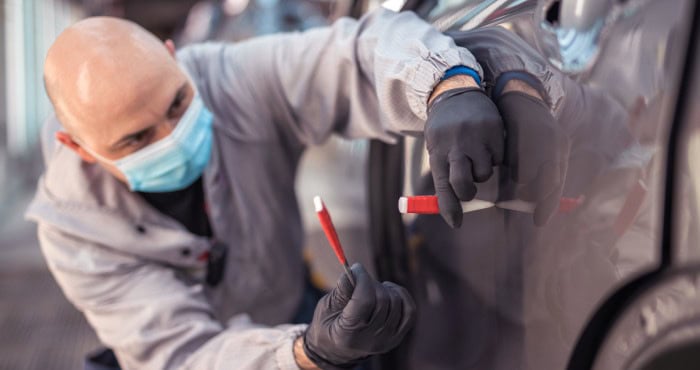
- No “repainted panel” stigma during resale or trade-in discussions.
- Less risk of repair flags being associated with the VIN for minor incidents that did not require collision repair.
- Maintains visual uniformity across panels—no subtle variances in metallic flake, peel, or gloss.
For modern appraisals and online listings, the visual consistency of vehicle bodywork matters. When PDR restores minor dings and dings and dents without altering coatings, your car maintains a more authentic representation of condition, especially when disclosures mention cosmetic vehicle damage has been professionally addressed through auto dent removal rather than repainting.
Reason #4: Faster turnaround and convenience
Most small-to-moderate dent repair can be completed in hours rather than days. Mobile service is common, allowing a dent technician to meet you at home or work. With less teardown and no booth time, the auto dent removal repair process is streamlined, reducing vehicle downtime dramatically.
- Mobile PDR can handle many door dent and hail dents on-site.
- For shop-based appointments, same-day service is typical for minor dings.
- Ideal for busy owners who want car repair results without disrupting schedules.
Mobile versus shop service
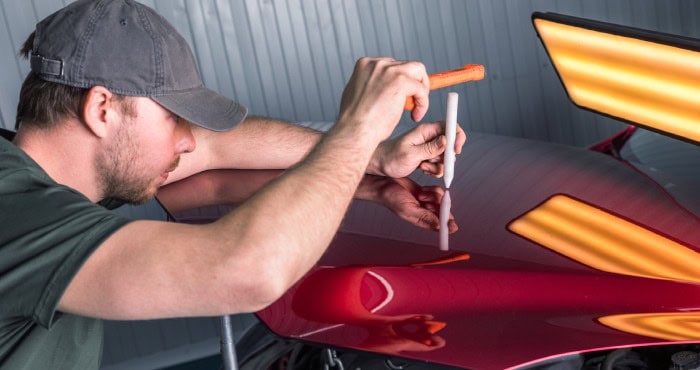
Mobile PDR is effective for easily reachable dents, utilizing glue pulling techniques. In contrast, shop repairs are better suited for larger or intricate dents that require specialized lighting and better access. When the service day arrives, anticipate a quick evaluation, careful panel manipulation, tap-down methods, and thorough quality checks to achieve a flawless finish while preserving the paint.
Reason #5: Insurance-friendly and hail-efficient
Carriers widely accept Paintless Dent Removal (PDR) for hail and small-impact claims. Because PDR avoids repainting costs, many jobs fall within deductibles, and hail events are often processed quickly using standardized estimating guides.
- Ideal for multi-panel hail storms, where glue pulling, cold glue, and specialized dent puller systems speed throughput.
- Claims move faster with clear mapping of body damage and methodical panel restoration steps.
- Many shops back PDR with lifetime guarantees on the repair process for as long as you own the vehicle.
Whether you visit a local body shop or a PDR-focused facility, insurance adjusters recognize PDR as a first-choice approach to vehicle bodywork when the paint is intact and the metal is responsive.
Reason #6: Seamless, durable results for eligible dents
When the size, location, and substrate allow, paintless dent removal delivers a near-undetectable finish that lasts. A trained auto technician blends metal back to form, prioritizing invisible transitions and structural integrity.
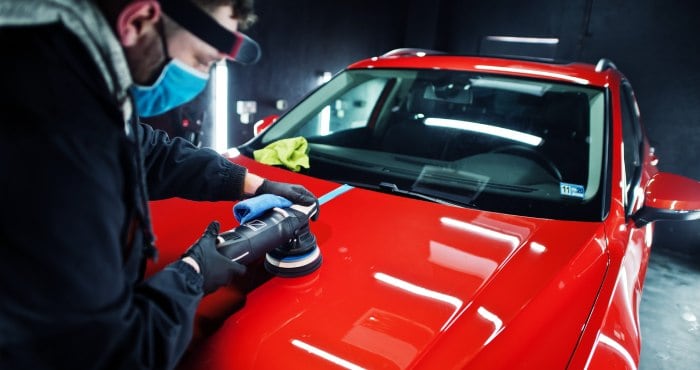
- Excellent for door dent fixes, roof and hood hail damage, and many rear side damage creases where access allows.
- Modern dent repair techniques include glue pulling for outward correction and internal PDR tools for panel massage.
- Cold glue and a strategic glue pull can help initiate movement on broad lows before fine-tuning.
Eligibility hinges on factors like metal memory, access points, seam proximity, and paint condition. Aluminum can be more challenging but is often repairable; high-strength steel may require more time. Complex crowns and tension areas call for expert tool control, including knocking down high spots to relieve stress and achieve a flawless repair.
Finally, for owners seeking a trusted provider, paintless dent repair services can guide you through assessment, options, and expectations, from DIY dent removal cautions to why a professional dent remover and dent puller system are critical for lasting results without introducing new vehicle damage.