The Ultimate Guide to PDR Dent Removal: Techniques, Tools, and Tips
Paintless dent removal has become a cornerstone of modern automotive repair, increasingly favored by vehicle owners and professional bodyshops alike. Whether you need to fix a minor dent on your BMW Mini, address unsightly dings and dents from a parking lot mishap, or restore the classic lines of an Audi A1, PDR offers a sophisticated, highly skilled process that delivers professional results quickly and efficiently.
What is Paintless Dent Repair (PDR)?
Paintless dent repair (PDR) is a unique method for eliminating dents and imperfections without the need for paint, fillers, or sanding. Experienced technicians either manipulate the panel from behind or utilize a glue-pulling technique from the exterior, ensuring the original factory finish remains intact.
Companies like Dent-Remover and DENT-REMOVER LTD, along with specialists such as Martin Sadler from PDR UK, have enhanced PDR, making it a reliable option compared to conventional auto body shops. Numerous professionals disseminate their repair methods and training tips on platforms like YouTube, Instagram, and Real World PDR Training.
If you want to understand how PDR is applied to vintage models, don’t miss out on PDR on Classic Cars, which details specialized approaches for valuable restoration projects.
1. Key Benefits of PDR Compared to Traditional Dent Removal
The evolution of paintless dent repair has brought significant benefits to both customer vehicles and professional automotive repair operations:
Cost-Effective Repair Methods:
Since PDR involves no repaint or filler, materials and labor costs are significantly reduced. There’s no need to match paint colors, making PDR a preferred method for insurance-approved collision repair and out-of-pocket maintenance.
Faster Turnaround Times:
The step-by-step PDR techniques, such as dent massaging and glue pull repair, allow an accountable technician to complete the repair process in hours rather than days. This speed is a boon for mobile detailing professionals and busy service centers.
Preserves Factory Finish:
Repair without painting ensures your car’s OEM paint and finish remain untouched, contributing to a flawless repair and sustained vehicle value. Customers frequently remark on the flawless finish following a well-done repair.
Environmentally Friendly:
Paintless dent removal is a truly paintwork free approach, eliminating volatile organic compounds (VOCs) and reducing waste associated with body fillers and sanding dust.
2. Types of Dents Suitable for PDR
Minor Dings and Small Dents:
Parking lot damage, shopping cart strikes, and hail dings are classic examples where paintless dent repair shines. The shallow, round nature of these dings and dents allows for easy access and manipulation.
Panel Dent with No Paint Damage:
If the paint is intact and the metal is not excessively stretched, PDR techniques such as glue pulling or dent massaging can restore the surface to its flawless finish.
Complex Curvature Dents (e.g., BMW Mini rear side damage):
Highly skilled technicians, such as those at East Yorkshire Dent Removal (Beverley) and Dent-Remover, can often tackle advanced panel dent scenarios using a blend of massage from rear and glue pulling methods.
If the vehicle damage involves cracked paint, sharp creases that overstretch the metal, or corrosion, a professional repair in a traditional bodyshop may be more appropriate.
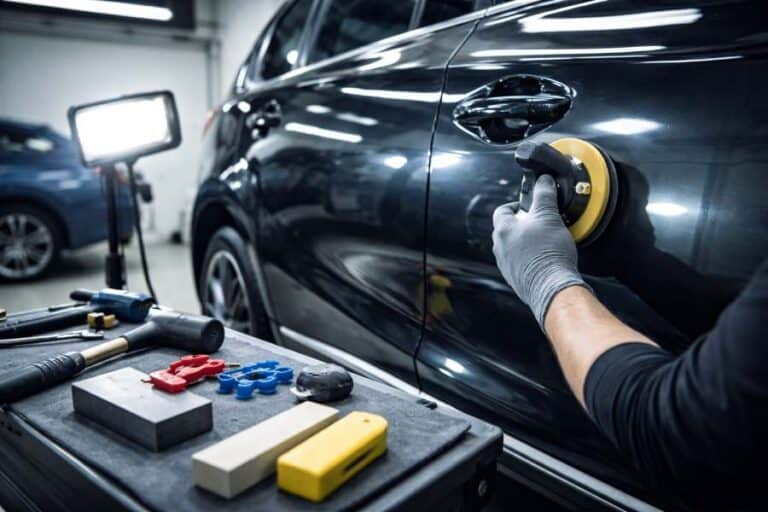
3. Essential Tools for PDR Dent Removal
Dent-Remover Rods and PDR Tools:
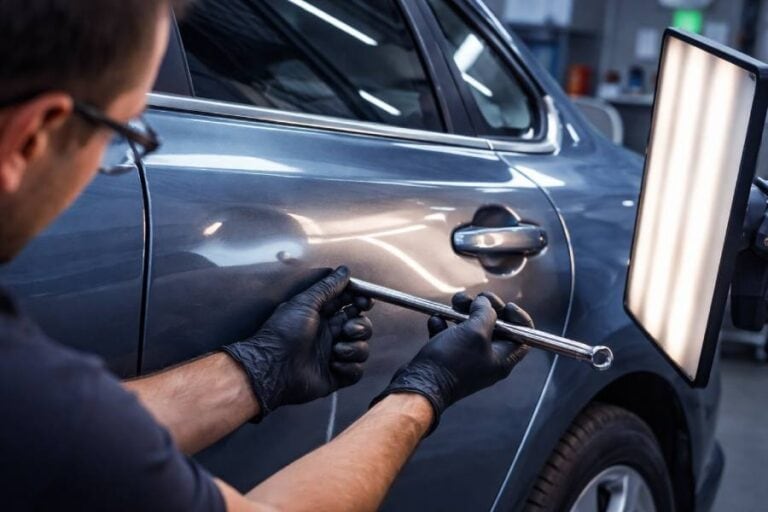
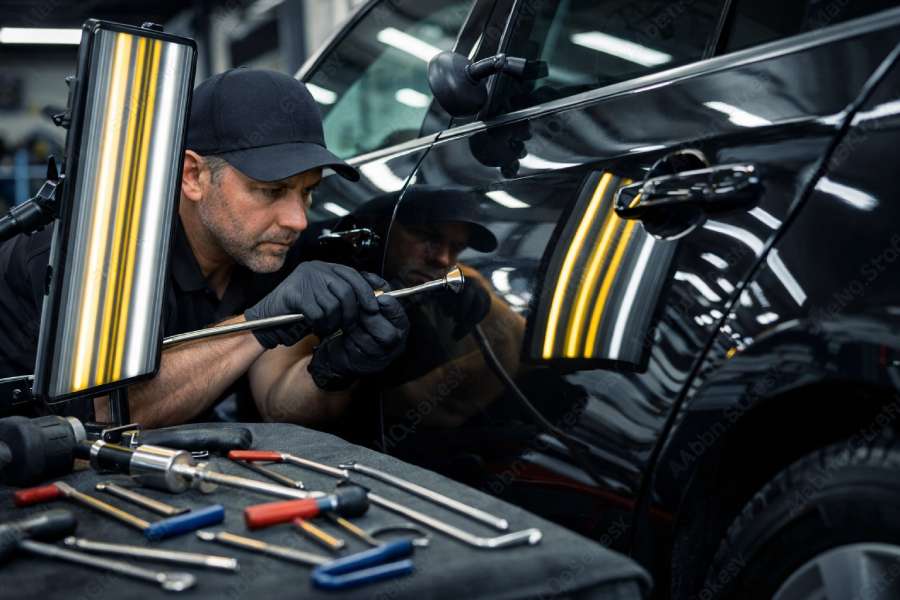
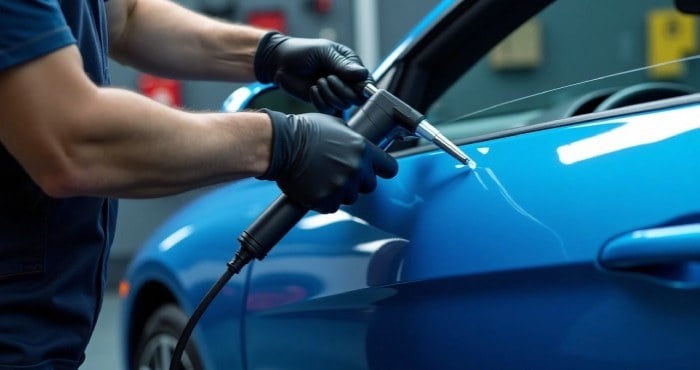
Used for dent massaging from behind the panel, these tools come in a variety of shapes and sizes to reach tight spaces, including the rear side damage often seen on BMW Mini and Porsche panels.
Glue Pulling Tools & Glue Pulling Methods:
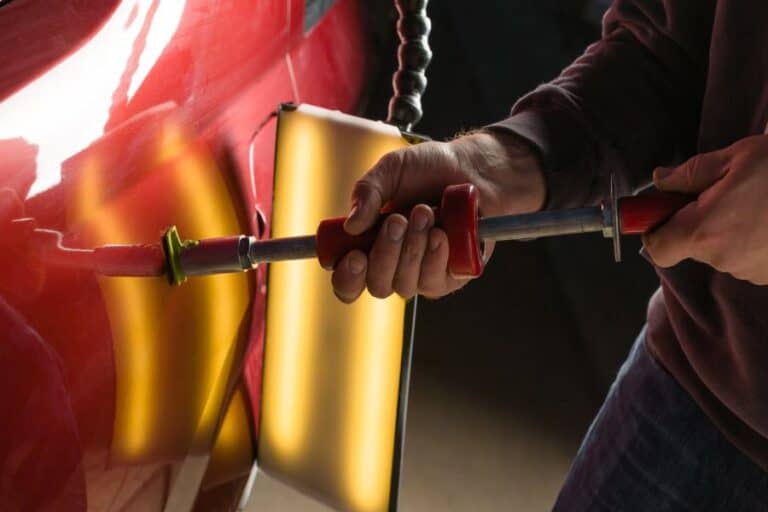
For areas that cannot be accessed from behind, glue pulling is the go-to solution. Specialized glue tabs are adhered to the panel dent surface, then pulled using slide hammers or pulling towers to pop the dent outward. Variations like the cold glue or glue pull repair methods offer considerable flexibility for different dent sizes.
Deflated Ball and Inflated Ball Techniques:
Certain dent situations—such as larger, shallow dents on a car body—may call for these unique methods for even pressure distribution and precise panel repair without paint or filler.
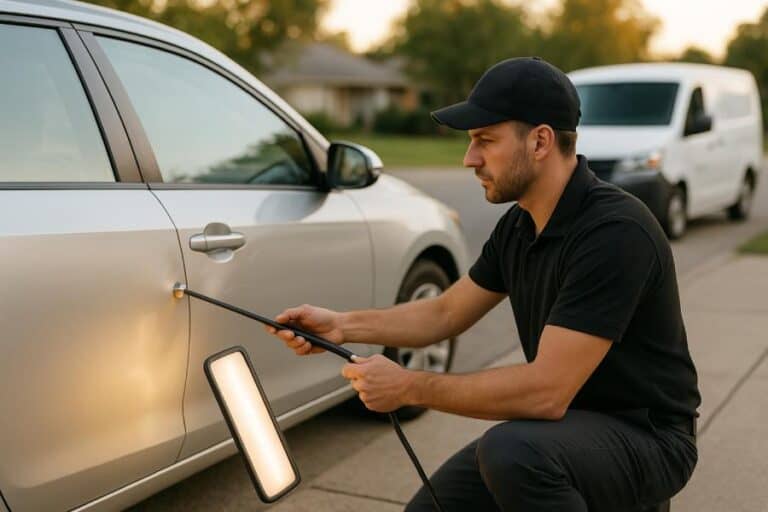
Lighting and Reflection Panels:
Proper lighting allows the expert technician or automotive technician to monitor the progress of repair methods and spot any high or low spots during the repair tutorial process.
PDR can also be started as a DIY dent repair endeavor, thanks to various off-the-shelf dent removal kits, though for flawless results, professional repair by a trusted technician is strongly recommended.
4. Step-by-Step PDR Techniques Explained
Paintless dent removal relies on a series of refined repair methods, each selected after a careful damage assessment by a highly skilled technician. Below is an overview of a typical step-by-step repair process:
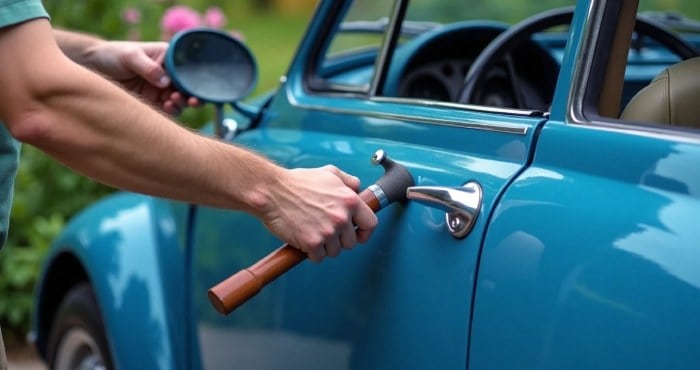
- Damage Assessment: The expert technician reviews the panel dent, checks for cracked paint, and evaluates the depth, diameter, and location. Repair results depend on matching the appropriate technique to the specific vehicle damage.
- Access Preparation: The panel is exposed by carefully removing inner trim or through minor openings. For glue pulling, the surface is cleaned to ensure adhesive sticks firmly.
- Dent Massaging from Rear: PDR tools such as rods are inserted behind the dented area, and meticulous, incremental force is used—often called massaging from rear—to restore the original panel contour. The deflated ball technique may be used for larger, softer dents.
- Glue Pulling Methods: For inaccessible dents, glue tabs and glue pulling tools are used. After applying cold glue, the dent-remover professional delivers incremental pulls, gradually coaxing the dent outward. The glue is carefully removed, leaving the surface paintwork free and ready for further tuning.
- Fine-Detail Adjustments: Minor highs or remaining lows are leveled using knockdown tools or the inflated ball method for gentle adjustment, resulting in a flawless finish.
Many repair tutorial videos—featured on YouTube by MasterOfNone, ScrapLifeLee, Auto Paint Authority, and Donut—showcase real-world PDR scenarios on Audi A1, Porsche, and even classic car restoration with Paintless Dent Repair (PDR). These serve as both inspiration and a learning tool for DIY dent repair enthusiasts and aspiring technicians.
Through innovative PDR methods, reliable instruments, and experienced professionals, dents can be fixed swiftly and cost-effectively while maintaining the vehicle’s paint and structural integrity. Paintless dent removal embodies the next generation of auto repair, merging accuracy, speed, and outstanding outcomes.
Maintenance Tips After PDR Dent Removal
Once your paintless dent removal is complete and your damage fixed, a simple maintenance regimen helps protect the repaired area for years of flawless results:
- Gentle Car Washes: Use soft cloths or the services of experts like CAR / MOTOR HOME WASH MAN to avoid inflicting new dings and dents.
- Protective Coating: Apply wax or a ceramic layer to the panel repair area; this bolsters defenses against minor scrapes.
- Inspection: After automotive repair, periodically inspect for any emerging issues, ensuring any future vehicle damage is addressed quickly via the paintless repair process.
- Avoid Impact: Park away from high-traffic areas and use car covers to minimize collision repair needs or further body damage.
Continuous maintenance can significantly extend the flawless finish achieved by PDR technicians, whether the repair was conducted on a BMW Mini or a Porsche.
To achieve perfect, paint-free results in paintless dent removal (PDR), precise damage evaluation and the right techniques are essential. It’s also important to steer clear of frequent pitfalls such as using tools incorrectly or neglecting aftercare. For challenging repairs or when superior automotive bodywork is a priority, it’s advisable to consult professional PDR technicians. As PDR tools, glue pulling techniques, and digital innovations improve, the process of paintless dent removal is becoming increasingly effective, dependable, and available.