When Should You Choose Dent Repair Without Paint Over Other Methods?
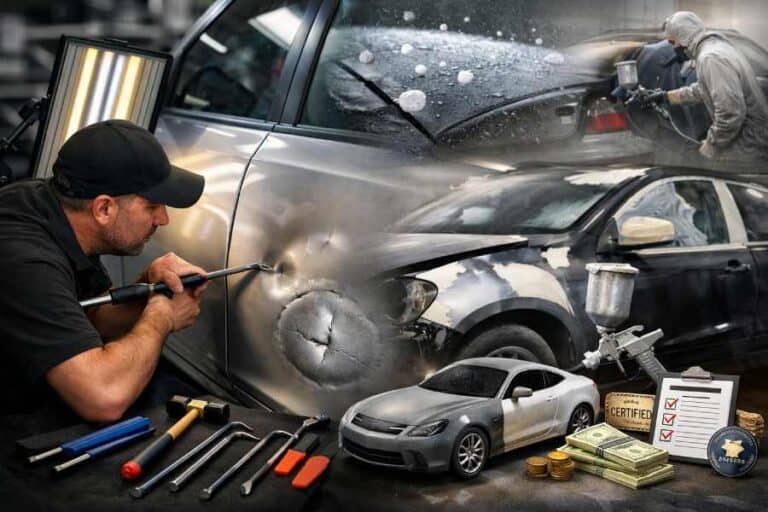
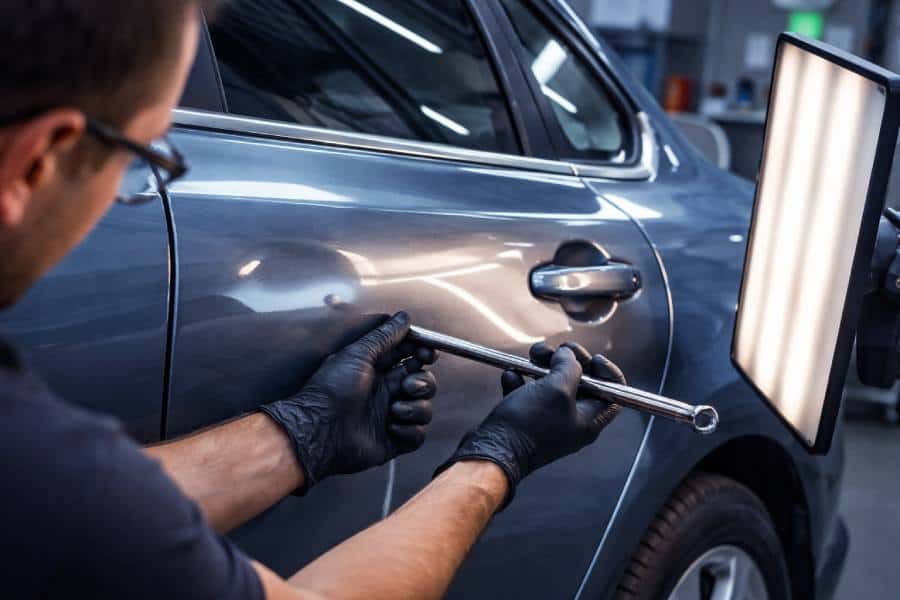
Paintless dent repair (PDR), often referred to as paintless dent removal, is a method for restoring vehicle surfaces to their original form without the need for sanding, filler materials, or repainting. Skilled technicians utilize specialized instruments to gently reshape dents and imperfections, sometimes reaching the back of the panels or applying heat to make the metal more flexible. Techniques such as glue pulling, crease removal tabs, and careful massaging are utilized for accurate repairs, all while maintaining the vehicle’s original finish.
While do-it-yourself PDR kits can be found online, professional services yield superior results thanks to high-quality tools from manufacturers like A-1 Tools, Ultradent Tools, Bosch, or Dewalt. Additionally, expert tutorials, training programs, safety equipment, and finishing products such as 3M polishing compounds contribute to achieving top-notch results while averting paint damage.
Ideal Situations for Paintless Dent Repair: When Is It the Right Choice?
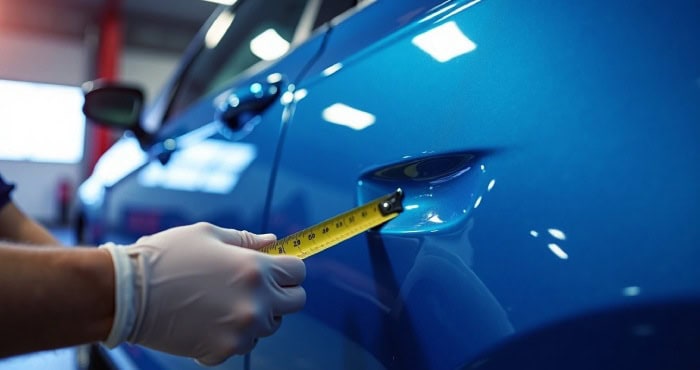
The paintless method is ideally suited when the paint surface has not been compromised. Situations where no paint dent repair is recommended include:
- Minor Dings and Small Dents: Door dent repair and shallow impressions on body panels caused by parking mishaps, hail storms, or stray shopping carts are prime candidates. Because vehicle bodywork remains undamaged at a surface level, these dents can often be resolved with quick dent fix approaches using PDR tools.
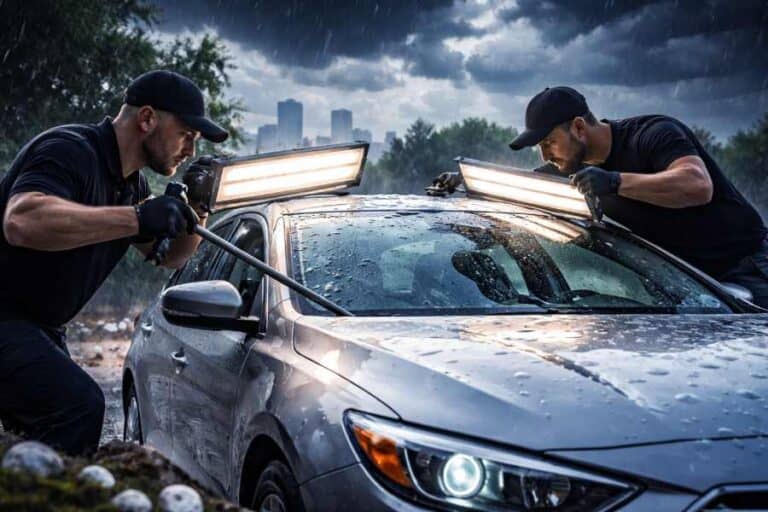
- Hail Damage: Multiple small dents distributed over the body panel where the paint surface isn’t cracked or chipped.
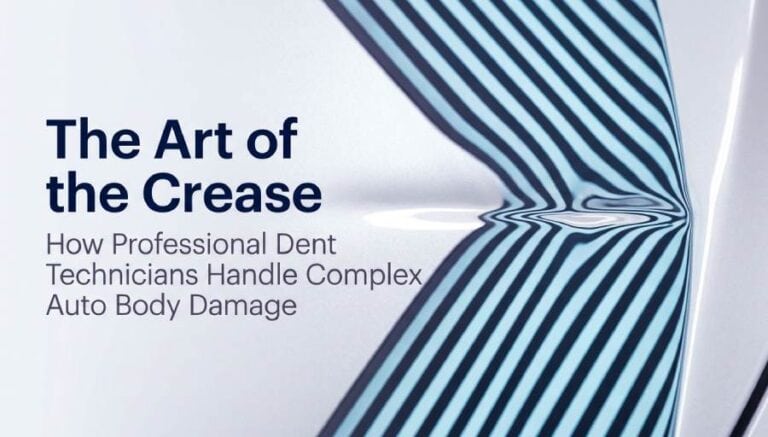
- Crease Dents: If a crease is present but the panel paint remains untouched, crease removal via glue pulling or crease glue tabs may be highly effective.
- Recent Dents: Fresh dents are usually easier to repair dent with this method, as the metal memory is still intact.
Paintless dent repair is less suited for very deep dents, panel edges, or situations where paint is cracked, flaked, or otherwise damaged—these may require traditional panel repair methods.
Comparing Paintless Dent Repair to Traditional Methods: Pros and Cons
Paintless Dent Removal (PDR) – Pros:
- No Painting, No Filler: Filler free dent repair preserves the factory paint, maintaining the vehicle’s original finish and value.
- Fast Turnaround: PDR can deliver quick dent fix results, often within hours—far less than traditional shop repair times.
- Cost Efficiency: Labor and material costs for paintless dent removal tend to be much lower since expensive paints and primers are not needed.
- Eco-Friendly: No chemicals, fillers, or paint solvents means fewer environmental hazards.
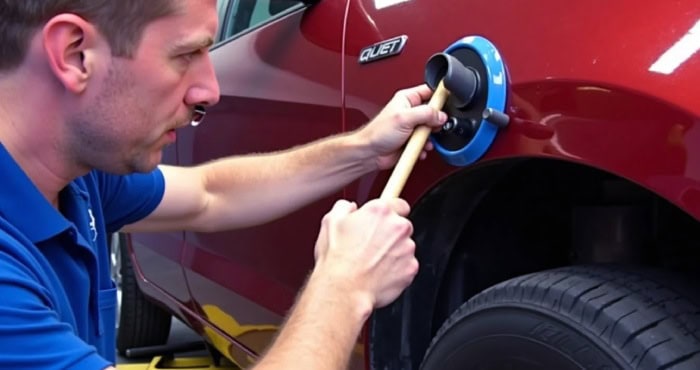
Cons of Paintless Method:
- Limited Scope: Not all dents qualify. Severely stretched metal or damaged paint (especially on edges or complex creases) often requires panel repair, repainting, or filler.
- Skill Sensitive: Successful outcomes depend on the technician’s expertise and the quality of dent removal tools. Professional dent removal by experienced practitioners from reputable services—such as Dent Remover UK or 1st Track Dents—usually yields top results.
- Accessibility Issues: If the rear of the panel is blocked, or there is thick reinforcement behind the damage, the PDR method may be impractical.
Traditional Repair – Pros:
- Wider Applicability: Suitable for large, sharp, or deeply creased dents, as well as areas with cracked paint.
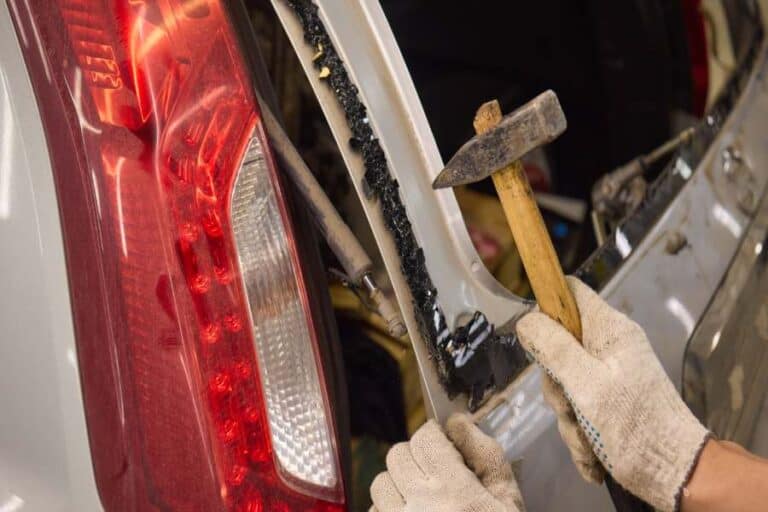
- Complete Restoration: Includes sanding, filler, and repainting, allowing for a flawless finish even on difficult damage.
Cons:
- Longer Process: Drying, sanding, and painting extend repair timelines, sometimes several days to weeks.
- Greater Expense: Material and labor costs run higher, often resulting in greater out-of-pocket expenses or insurance claims.
- Potential for Color Mismatch: Even expertly blended paints by major entities like PDR Pro Tools or 3M aren’t immune to minor shade differences.
Factors to Consider Before Opting for Paintless Dent Repair
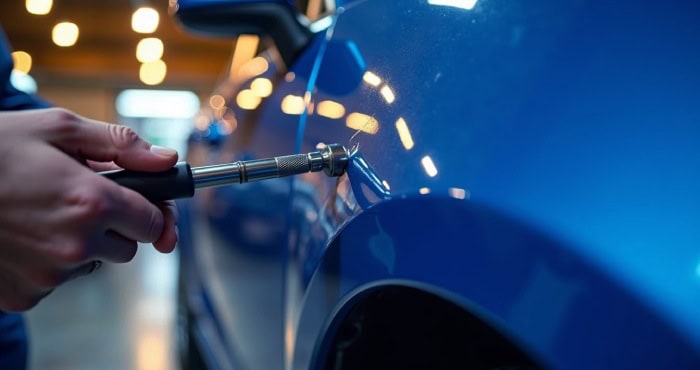
Type, Size, and Location of Damage
Not all automotive dents can be fixed with no paint dent repair. The method excels at removing minor dings and small-to-moderate dents on flat body panel surfaces where the paint is fully intact. Edge dents or panels with underlying bracing may not be suitable.
Paint Condition
If the automotive paint has been scratched, cracked, or chipped, PDR tools won’t restore these imperfections—the area may require touch-up or full respray, moving into traditional panel repair territory.
Metal Stretch and Depth
In cases where the dented metal is badly stretched or distressed, even advanced massaging dent techniques with soft tip tools, double bend tools, or an aluminium knock down tool won’t fully restore the panel without filler.
Expertise and Tools
Expert dent repair relies on high-quality PDR equipment, such as A-1 Tools and Ultradenttools, along with suitable glue guns and removers. It also involves finishing products like 3M Trizact discs and polishing compounds. When attempting DIY fixes, it’s crucial to be careful — use gloves and safety goggles, since improper tool usage can make the damage worse.
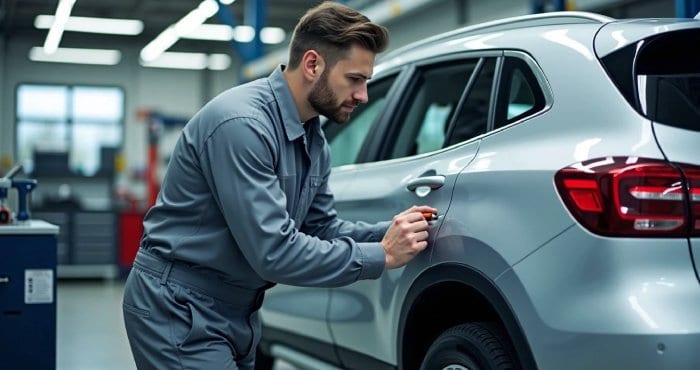
Manufacturer and Insurance Approval
Check if your car manufacturer supports filler free dent repair for warranty purposes, and whether insurance covers the PDR method. Some insurers now recognize paintless dent removal as a preferred first step for minor repairs to preserve vehicle value.
Cost, Time, and Results: What to Expect from Paintless Dent Repair
Paintless dent repair (PDR) presents significant financial and practical benefits, which is why many vehicle owners prefer it. Smaller dents and dings can typically be remedied for between $75 and $250 each, a much lower cost compared to conventional bodywork. Additionally, do-it-yourself kits available from sites like Amazon or pdrtool.com offer cost-effective options for those who follow trustworthy guides.
Moreover, PDR is both quick and delivers excellent quality. Minor dents can be addressed in as little as 30 minutes to a few hours, without the need for sanding, painting, or waiting for paint to dry. Professional PDR techniques maintain the original finish, resulting in almost undetectable repairs, making it particularly suitable for newer cars or those with custom paint jobs.
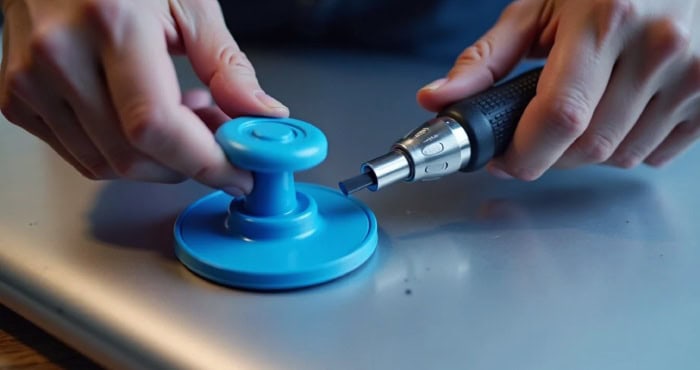
For complex jobs or those involving multiple dents, reputable entities such as 1st Track Dents, Dent Remover UK, and PDR Pro Tools deliver exceptional results by leveraging their expertise in dent removal tools and PDR method best practices. For hobbyists, sourcing Amazon dent tools or PDR kits from specialized brands introduces the techniques at home, but expectations should be managed—professional dent removal is nearly always superior for significant damage or where flawless cosmetic results are mandatory.